When a business plumbing problem cannot wait for morning
Sewage on the floor, a broken line spraying a stockroom or a kitchen that has to close mid-service are commercial emergencies, and the line is open 24/7 for them. Call, say it is a business, and give the address and the unit. A licensed plumber can be dispatched after hours, with same-day service when available.
While you wait, protect people and stock first and the building second.
What to do while you wait
- Close the main water shutoff or the valve for the affected area, and note where it is for the plumber.
- Stop using the affected drains, sinks and toilets, and keep staff and customers out of wet or sewage-covered floors.
- Keep everyone away from wet electrical panels, outlets and equipment, and call 911 for any smell of gas, leaving the building first.
- Lift inventory, boxes and paperwork off the floor if it is safe to do so.
- Photograph the damage and the source before anything is moved, for your insurer or landlord.
- Call the landlord or property manager if you lease, so the person who can authorize work knows.
Restaurants: floor sinks, grease and the commercial kitchen
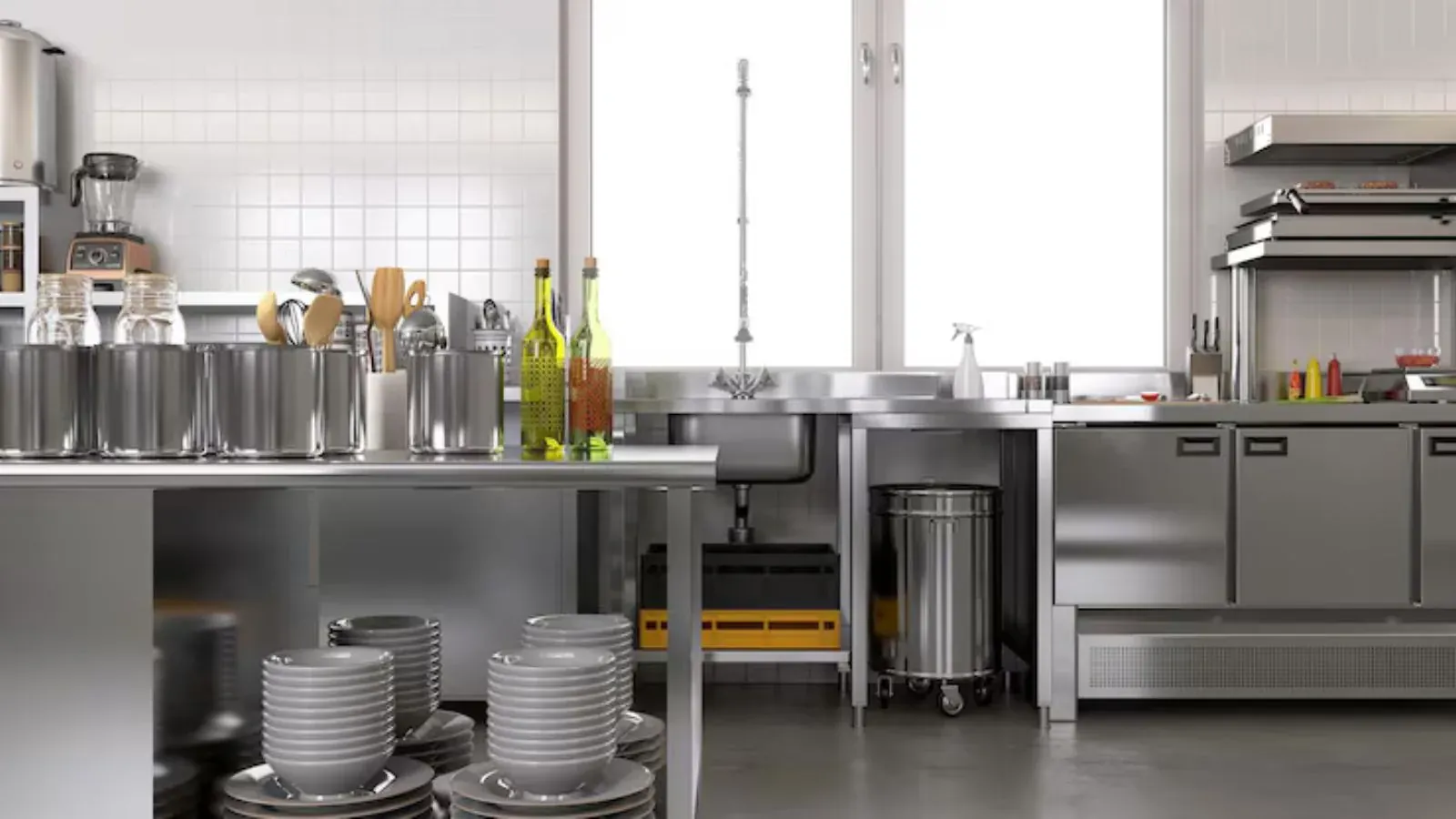
A kitchen punishes drains. Fats cool and cling to pipe walls, food scraps pack into elbows, and a prep sink that drains slowly during lunch often means a line coated further downstream. A commercial drain service clears the blockage and then looks at why it formed, using a camera on the line when the cause is not obvious.
Floor sinks and floor drains in a kitchen back up when the branch line behind them clogs, and they can also trap odors when the water seal in the trap dries out. If a floor drain smells but does not back up, ask the plumber to check the trap seal before assuming a clog.
Main Street holds the town's historic center, and the Olde Tyme Peach Festival closes it each August for a parade and tens of thousands of visitors. If you run a restaurant there, schedule routine drain and grease work before festival week and ask the dispatcher how a closed street affects truck access.
Retail and offices along the US-301 corridor
Chain stores line the US-301 corridor, and a public restroom sees many more flushes in a day than a household toilet. Running toilets, loose flush handles and leaking supply stops add up quickly in a bathroom that serves hundreds of visitors.
A new tenant often needs plumbing changed before opening, such as an added sink, a relocated restroom or a mop sink. That work falls under new fixtures and rough-in for a build-out, and it usually needs the town's attention before it starts (see the permit section below).
When you call, give the nearest cross street and your unit or suite number. US-301 is a toll road that runs just west and north of town with Middletown exits at DE-299 and DE-71, and a plumber looking for a unit in a large shopping center can lose time without a landmark.
Warehouses and flex space: floor drains and lift pumps
Our own address, 119 Patriot Drive, sits in an industrial and flex-space part of Middletown, and the plumbing in that kind of building is its own category. Wide floors, loading docks, floor drains, mop sinks and a restroom count tied to headcount make the water and drain system more spread out than a retail unit.
A floor drain that overflows in a warehouse usually has a blocked branch or a sump that has stopped moving water. Where the drain sits below the sewer line, a lift pump or ejector pit carries wastewater up to the gravity line. When the pump fails or its float sticks, the pit fills and water has nowhere to go but the floor.
Check the pit for standing water and listen for a pump that hums but does not move water. Report what you hear and see, and note whether the problem began after heavy use or heavy rain. If your building is in or near Townsend, about 7 miles south on DE-71, a licensed plumber for Townsend, DE can be dispatched too.
Which commercial problem points to which cause
This table helps you describe the problem on the phone so the right equipment comes.
| Symptom | Likely cause | What the plumber checks |
|---|---|---|
| Floor drain overflows. | A blocked branch line, a full grease trap or a failed lift pump. | Clears the line, then checks the trap and the pump float and discharge. |
| Slow drains in several fixtures. | A restricted main or branch line, often with buildup on the pipe walls. | Camera inspection and cleaning of the affected line. |
| Grease odor or slow kitchen drains. | A grease trap that is full or a baffle that is damaged. | Trap contents, baffles and the outlet line. |
| Meter moves when the building is closed. | A leak in a supply line, a failing valve or a running fixture. | Zone shutoffs, fixture checks and leak location. |
| Standing water near a roof or lot drain. | Debris in a storm drain or a collapsed line. | Inlet and downstream line, usually with a jetting pass. |
| Backflow assembly leaks or fails a test. | Worn seats, springs or a stuck check. | Repair or replacement of the assembly, then retest. |
Not every symptom fits a single row. A real diagnosis comes from seeing the building, so use the table as a vocabulary, not a verdict.
Commercial leak detection, and what it can and cannot do
Hidden leaks in business buildings show up as a water meter that moves with everything off, a bill that jumps, a damp slab, a stained ceiling tile or a warm spot on the floor. Finding the source starts with isolating zones by closing valves one at a time and watching the meter, which narrows the search before any equipment comes out.
From there, a plumber may use listening devices on pipes, thermal imaging for hot-water lines or pressure tests on a suspect run. Leak detection that locates a hidden line can save cutting into a slab or wall in the wrong place. Ask on the call what equipment the plumber carries, since that varies by job.
Honest limits apply. Detection tells you where the water is escaping, and repair is a separate step that may need walls or floors opened. A large building with several tenants and one meter can take longer to isolate than a single unit, and some leaks sit beneath equipment that is hard to move.
Backflow testing: an annual owner duty
A backflow assembly keeps dirty water from reversing into the clean supply, and it appears at fire lines, irrigation systems, boilers and some kitchen equipment. Delaware's plumbing regulation, 16 Del. Admin. Code 4455, adopts the 2021 International Plumbing Code with state amendments, and those amendments state that owners must test backflow assemblies annually.
Put the test date on a calendar so it does not slip. Ask the plumber who performs the test, who receives the result and what happens if the assembly fails, which usually means a repair or replacement followed by a retest.
Grease trap cleaning
A grease trap holds fat and food solids so they do not travel into the drain line. Once the trap fills, the next stop is your drain, and a full trap often announces itself with odor or slow kitchen drains.
Pumping the contents is often done by a waste hauler with a vacuum truck, so ask on the call whether the plumber can clean the trap and inspect the baffles, and whether a hauler is needed. Ask the Middletown Water Department at 302-378-2211 whether any discharge expectations apply to your kitchen.
Storm drain cleaning
Parking lots, loading docks and roof drains rely on storm lines that clog with leaves, sediment and trash. A line that is slow to drain after rain leaves ponding near doors and docks.
Cleaning usually means flushing the line with high-pressure water, as described under hydro jetting for stubborn lines, and a camera can check for a collapsed section. If the fix requires digging, call 811 at least 48 hours before any work. Roof drains inside the building are a separate case, since a leak there is inside the structure.
Who authorizes the work when a tenant calls
A tenant often does not own the pipes. Who pays depends on the lease and on where the problem sits, such as inside a unit, on a shared line or in a common area. A property manager who calls for a tenant should say who has authority to approve the cost, because the plumber cannot proceed on a repair that no one has agreed to pay for.
For a repeated backup on a shared drain, sewer line cleaning on the main line may be the right fix, and that sits with the owner, not the tenant. Ask the plumber to document where the blockage sat so the right party is billed.
If you manage residential rental units, note that the town requires inspection before occupancy for owners who rent or lease a residence without living in it. Call the permits office to ask how plumbing work between tenants fits into that.
Records to keep for tenant, owner and insurer
- The date and time of the first report, and who made it.
- Photographs and short videos of the source, the damage and the affected stock or equipment.
- The plumber's written description of the cause and the location of the failure.
- A copy of the approval from the owner or manager, including who signed.
- Receipts and invoices, saved in a folder for the building and the date.
- The meter reading before and after, if the problem involved a leak.
- Notes on lost business hours or relocated tenants, in case a claim needs them.
Commercial permits: call the town first
The town publishes a Commercial Permit Pack and a Tenant Fit-Out Permit Pack. Permit rules vary, so call Permits, Licensing and Inspections at 302-378-1171 before you plan a build-out, a new restroom or a kitchen change. The office is at Town Hall, 19 W. Green Street.
Each phase of permitted work is inspected by the town code official, and contractors doing building or reconstruction work must be licensed with the town. Delaware also requires a state license for plumbing work, which you can check at delpros.delaware.gov.
What changes the price of commercial plumbing work
A commercial price depends on the building and the problem. These are the main factors.
Time of day
After-hours and weekend calls can price differently from a daytime appointment, and the dispatcher will explain how before work starts.
Size and layout of the building
A long run of pipe across a warehouse floor takes longer to trace than a single retail suite.
Access to the problem
Equipment, shelving and finished ceilings slow the work and sometimes need to be moved first.
Equipment needed
Jetting, camera work, leak location and pump replacement each bring different tools and parts.
Who is authorizing the work
Shared lines, tenant requests and multiple parties can add steps before work is approved.
Commercial property policies often cover sudden and accidental water damage but not wear, long-term leaks or maintenance items such as grease buildup. Read your policy and ask your insurer, and keep the photographs and invoices described above.
For a clear price on your building, call (410) 378-7601 and describe the problem, the unit and who can approve the work.
Commercial Plumbing: Common Questions
Do you handle commercial plumbing emergencies at night or on weekends in Middletown?
Yes. The commercial plumbing line is open 24/7, including nights, weekends and holidays, and we send a licensed plumber with same-day appointments when available.
Tell the dispatcher it is a business, give the address and unit, and say who can approve work if you lease. Shut off the water to the affected area and photograph the damage while you wait.
What does a commercial drain service include?
It clears a blocked drain or main line and then finds out why it blocked, using a camera when the cause is not obvious.
For repeated clogs, ask about a jetting pass and a recommended cleaning schedule.
Can you handle grease trap pumping?
It depends on the trap. Pumping is often done by a waste hauler, and a plumber cleans and inspects the trap and its baffles.
Tell the dispatcher the trap size and last service date, and ask who will do what.
What do you do for a floor drain overflow or a failed lift pump?
The plumber clears the blocked branch, then checks the pit, the float and the discharge line, and repairs or replaces the pump if it has failed.
Note whether the pump hums, runs constantly or does nothing at all.
Can a property manager call for a tenant?
Yes, a property manager can call for a tenant, but the plumber needs to know who has authority to approve the cost.
Give the unit, the contact on site and the name of whoever signs for the owner.
How often must backflow assemblies be tested?
Owners must test them annually under the state amendments to Delaware's plumbing regulation.
A failed test usually leads to a repair or replacement, then a retest.
Is commercial leak detection worth paying for?
Yes, when the meter moves with the building closed or the bill rises without explanation, because locating the leak avoids opening the wrong wall.
It finds the location only, and a separate repair follows.
For a business plumbing problem, day or night, call (410) 378-7601 and a licensed plumber will be dispatched.
Standards and sources
Delaware's amendments to the 2021 IPC (16 Del. Admin. Code 4455) state that owners must test backflow assemblies annually. The town publishes a Commercial Permit Pack and a Tenant Fit-Out Permit Pack, so call the permits office at 302-378-1171 before planning changes.